




Big branding: think like a big brand.
Branding
Big branding is an approach where small businesses think like large brands and use the same strategy to build a strong and scalable brand foundation.


Introduction
For many small businesses, branding often feels like something "simple": a logo, a color, and a website. Large brands view this completely differently. They don't build isolated visual identities, but complete brand worlds based on strategy, emotion, and consistent experience. At BrandBros, we call this 'Big branding'.
A term we introduced to clarify that we don't work from small, isolated branding solutions, but from the way large brands build their brand. The idea is simple: we make that same approach accessible to small businesses. So, Big branding doesn't mean you need a big budget.
It means applying the mindset, processes, and brand principles of large brands on a smaller scale. In this article, we explain exactly what Big branding is, why it's so powerful, and how you can use it to build a strong brand foundation that grows with your business.
1. What exactly is Big branding?
Big branding is a strategic approach where you build your brand as if you were a large, international brand — but adapted to the reality of a small or medium-sized business.
Large brands invest not just in design, but in complete brand ecosystems:
- A clear brand story
- Strong positioning
- A consistent visual identity
- And most importantly: an emotional connection with their target audience
Big branding revolves around this same principle. It goes beyond "getting a nice logo designed." It's about building a brand that works on every level: visually, strategically, and emotionally. For small businesses, this means you don't have to think small, but you do need to scale smartly. Not everything from large brands is feasible, but the core principles are.

2. Why Big branding?
Small businesses often grow organically. While powerful, this can also lead to fragmented branding. Different styles, inconsistent messages, and a lack of clear brand strategy are common problems.
Big branding solves this by providing structure and direction:
- Stronger positioning: you know exactly what you stand for and who you serve.
- More consistency: Your brand feels consistent everywhere, from Instagram to your proposal.
- Emotional impact: You appeal not just to the mind, but also to the emotions.
- Long-term growth: Your brand is built to scale, not to constantly restart.
The main difference from traditional small business branding is its depth. Big branding doesn't just look at "what does it look like?", but primarily at "what does this brand mean?"
3. The Benefits of Big Branding for Small Businesses
Benefit 1 - Your brand feels bigger than your business
With Big branding, you create the impression of an established brand, even if you're just starting out. This builds trust and makes it easier to attract new customers.
Benefit 2 - You Build an Emotional Brand
Big brands don't win on product alone, but on emotion. Big branding helps you build a brand that people remember because it evokes something in them.
Benefit 3 - You Avoid Disconnected Branding Choices
Many small businesses grow without a clear structure. Big branding ensures that every choice — from website to social post — is part of one larger whole.

4. How to Apply Big Branding
Step 1 - Build Your Brand Foundation
Don't start with design, but with strategy. Who are you, what do you stand for, and why do you exist? This forms the basis of everything that follows.
Step 2 - Define Your Emotional Position
Big brands win on emotion. Do you want to inspire, build trust, or provoke? Consciously choose which emotion your brand should evoke.
Step 3 - Translate Strategy into Identity
Only then comes the visual layer: logo, colors, typography, and tone of voice. Everything must stem from your strategy, not the other way around.
Step 4 - Think in systems, not in isolated expressions
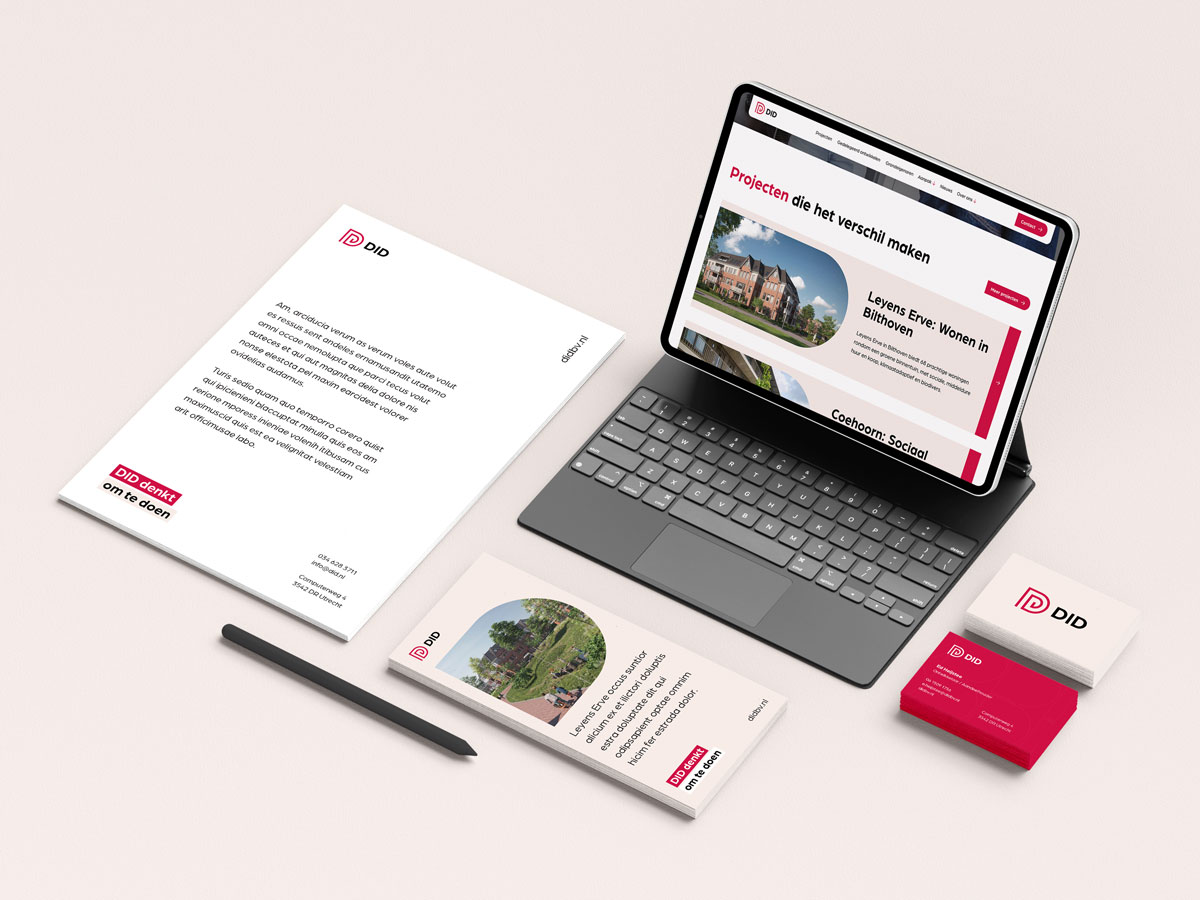
With Big branding, you don't build individual designs, but a system. How does your brand appear on social media, in presentations, on packaging, and in advertisements?
Step 5 - Stay consistent and scalable
A strong brand doesn't change every month. Big branding is about consistency, so your brand becomes recognizable and trustworthy over time.
5. Examples of Big Branding Thinking
Large brands have been applying Big branding for decades, but smaller businesses can also use the same principles. Imagine a local coffee brand that doesn't just sell coffee, but creates a lifestyle around tranquility and quality. Everything — from interior design to Instagram posts — exudes the same emotion. Or a creative studio that doesn't just offer services, but positions itself as a partner for growth and innovation. Their branding isn't focused on "what they do," but on the transformation they provide. The difference isn't in size, but in mindset.
6. How BrandBros Applies Big Branding
At BrandBros, we've developed Big branding as the core of our approach. We believe that small businesses don't have to think small when it comes to brand building. We translate the methods of large brands into a scale that works for entrepreneurs with smaller budgets but big ambitions. This means we always start with strategy, emotion, and positioning — and only then move on to design and execution. Not every aspect of Big branding is directly applicable to small businesses, but its essence is. And it's precisely this essence that ensures a brand becomes strong, consistent, and scalable.
7. Conclusion: Thinking Big in a Small Reality
Big branding isn't a trend or a tool; it's a way of thinking. It's the choice to build your brand as if it can become big — even if you're still small today. By applying the principles of large brands to small businesses, something powerful emerges: a brand that is not only beautiful but also meaningful. A brand that can grow, adapt, and emotionally connect with people. At BrandBros, we make Big branding accessible, practical, and applicable. So that small businesses can build something that feels bigger, stands stronger, and lasts longer.